What Are the Animals For?
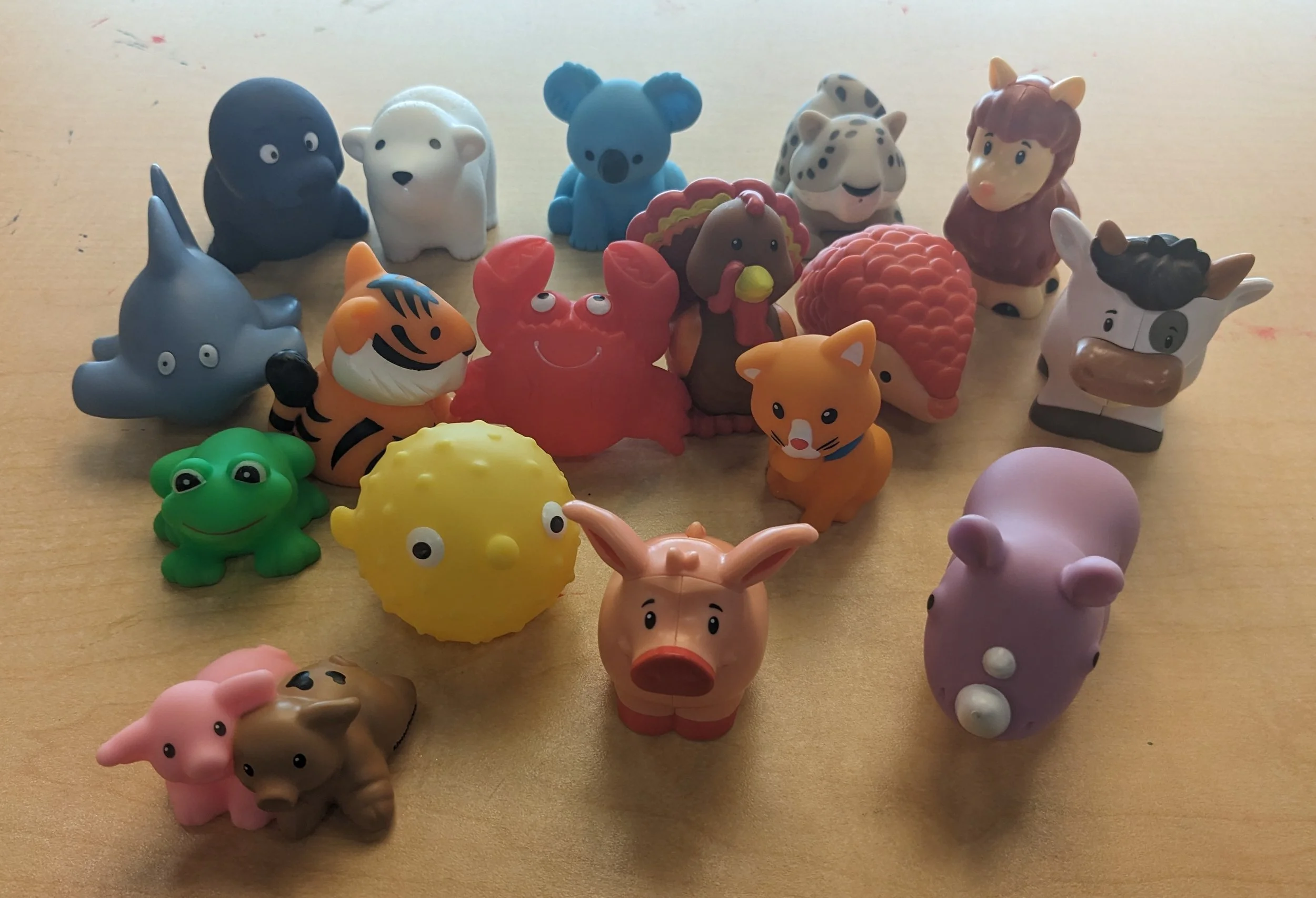
A group of animal toys poses for a picture
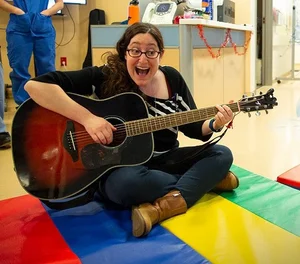
On my music therapy cart, amidst the shakers, drums, xylophones, and myriad of other musical instruments are two buckets full of toy animals. And often in the hallway, another member of the medical team will stop me and ask: "but what are the animals for?"
What aren't they for? In fact, I have found that these are some of the most invaluable tools in my toolkit, sometimes even more so than musical instruments! (Not something I would have expected when I embarked on this career…nor would I have expected that I would have a job that involves me making animal sounds on a daily basis). Here are a few of the ways in which animal toys can be used to support children's development and play:
Fine motor skills: manipulating the toys, picking them up, moving them around, feeling the different shapes and sizes
Container play: dropping objects into different containers works on many developmental skills like hand-eye coordination, learning cause and effect, size (what fits and what doesn't), and the animals landing in the container makes a very satisfying sound 😁. Songs or activities can include putting or tossing animals into buckets or drums.
Sound Effects: Animal sounds are an excellent way for infants and young toddlers to work on developing language skills. As they get older, they can work on learning animal names, categories of animals (land, sea creatures, etc.) or other more complex details. Children can choose animal toys as visuals to go along with the sounds.
Free play: For older children, animal toys can provide an opportunity for imaginary play. Animals are essentially a blank slate; children can create any narrative they need to play that day. Animals can be friendly, they can fight, they can face problems and solve them, they can be silly or serious. Often children will improvise elaborate songs about animals that will reflect their own inner experience.
Activity examples:
5 Green and Speckled Frogs with frog toys: Putting one frog at a time into a drum or a bucket or onto an ocean drum
Old Macdonald, Grandpa’s Farm, Down by the Bay or similar animal songs:
Depending on the age or goal, you could pick a few animals ahead of time and introduce them with each verse, or you can have the child choose at the start of each verse. Or, you can have them pick a bunch of animals at the start of the song. There's no wrong way to do it.
Who Are You?
I found this song years ago. Video summary: the group stands in a circle and sings a song, and then the person in the middle acts out an animal and everyone guesses it. I've adapted this activity so that I pass around a bag of animals and the group member chooses an animal toy and keeps it hidden from the rest of the group. Then instead of acting it out, the group asks questions to try to figure it out, and the person who chose it can give clues if everyone gets stuck. This works well for a slightly older crowd and makes it a bit more interactive. It can also work on language and social skills.
Little Red Hen
This is one of my current favorites that I found in the book Three Singing Pigs by Kaye Umansky. It's based on a classic folktale where a Hen is making bread and asks animals to help. They all say “no” until it's time to help eat it. I give patients a choice of animal toys to represent their character in the song/story and many of them dance/drum along with the animals during the activity. Unprompted by me some months ago, a patient came up with a very creative and elaborate reason for why they couldn’t help the hen. I now ask each participant “why not?” each time they say “no”, and they each come up with truly brilliant responses for why they aren’t available to help. This has most often included a long list of their own responsibilities and chores to take care of, which has been a really interesting theme to emerge! Many of them have also declined wanting to eat the bread at the end…sometimes they prefer pancakes, and others very kindly allow the hen to have all of what she made. It's been a fascinating activity with imaginary play, and the animal toys enliven the activity with movement and personality as they act out their parts.
Summer Play
See some of the water animals in action in Brianna’s summer group!